
February Reading
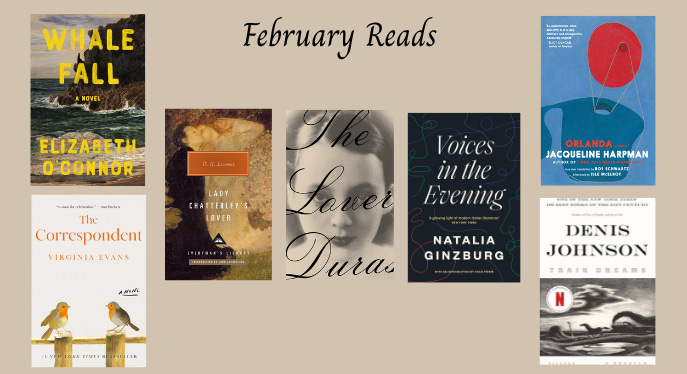
Marguerite Duras walked so Annie Ernaux could run, The Ann Patchett Extended Universe, and is Lady Chatterley's Lover an industrial gothic?

Every year I forget what the beginning of Spring feels like, so every year when early Spring approaches I am caught off guard. The idea of lush, green adorned trees seem alien to me, but soon the idea of barren ones will too. I live in a somewhat mild climate, so by March I know I’ve “made it,” so to speak. Winter is basically over, the puffy coat will be going away soon, my colossally large and abrasively loud heater will go dormant until October, and I will dig my shorts and linen out of storage. This anticipation of change has made me come to love February; all month I live with the hum of something coming, like the anticipation of a friend coming to visit. I’m waiting by the door, the house is clean and smells good, and soon I will be in a warm embrace.
And while this sentiment has been propelling me forward, it has also been mirrored with other difficulties in waiting. Everyone in my household is currently experiencing a health problem (dog included, her tail will be getting partially amputated in a few weeks). My partner just had a long-awaited surgery and my chronic pain issue continues to mystify every medical professional I see; although it feels like it might be turning a corner for the better. All this being said, the words about what I read this month are going to be sparse. I don’t have the energy to really get into it, but I still want to do my best to wrangle some thoughts together about what the hell these books were even about. So here are some haggard, haphazard thoughts about all the books I read this month.
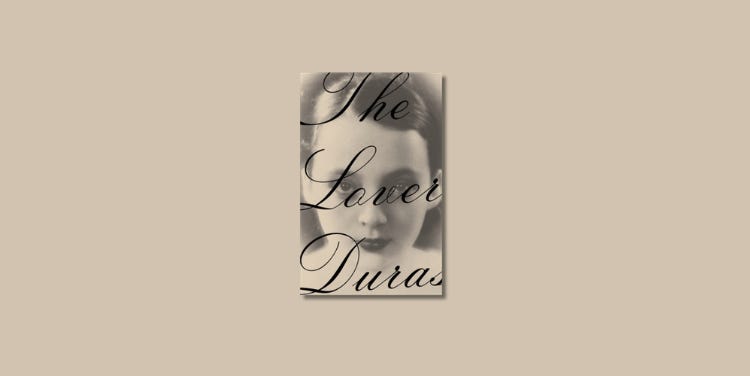
The Lover by Marguerite Duras
Do not be fooled. This book is not a romance. It is a devastating work of autofiction in which Duras attempts to unveil the mystery of her childhood. Set in French colonial Vietnam in the 1930s, where Duras grew up, we follow the 15 year old narrator as she begins a love affair with a much older Chinese man. The love affair is part of it, but the book is more about her relationship with her mother and two brothers.
The only other Duras I’ve read was The Easy Life, which was published 40 years prior to The Lover. I remembering loving it and it probably helped that I read it while I was in France. The Lover reads very different, the writing is much more sparse and experimental. One can’t help but see where Annie Ernaux drew inspiration, as The Lover is a work of the same type of murky autofiction/memoir that Ernaux defines herself by.1 If I were to compare the two, I enjoyed The Easy Life more, but The Lover gave me some context about Duras herself, providing a deeper understanding of what she was on about in The Easy Life.
So much of this short novel was the narrator trying to understand the family she was born into, often referring to the mystery of it or her lack of control of its dynamics and outcomes. Despite writing this book in her 80s, Duras is still waiting outside the closed door of her childhood, with no clear answer or way to explain it. This book gutted me, truly. Proceed with caution.
“…in that common family history that was ours whatever happened, in love or in hate, which is still beyond my reach, hidden in the very depths of my flesh, blind as a newborn child. It’s the area on whose brink silence begins. What happens there is silence, the slow travail of my whole life. I’m still there watching those possessed children, as far away from the mystery now as I was then. I’ve never written, though I thought I wrote, never loved, though I thought I’ve loved, never done anything but wait outside the closed door.”
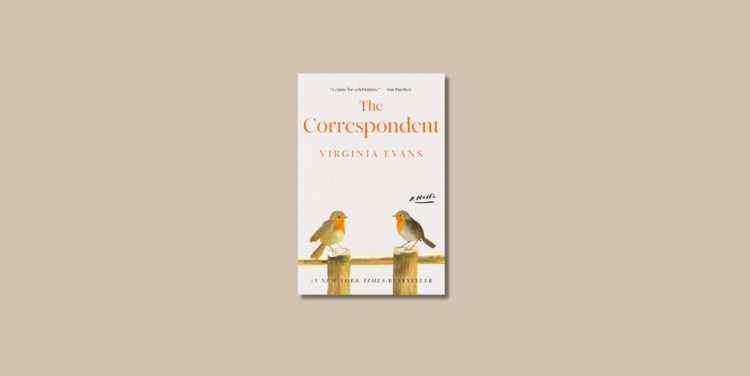
The Correspondent by Virginia Evans (audiobook)
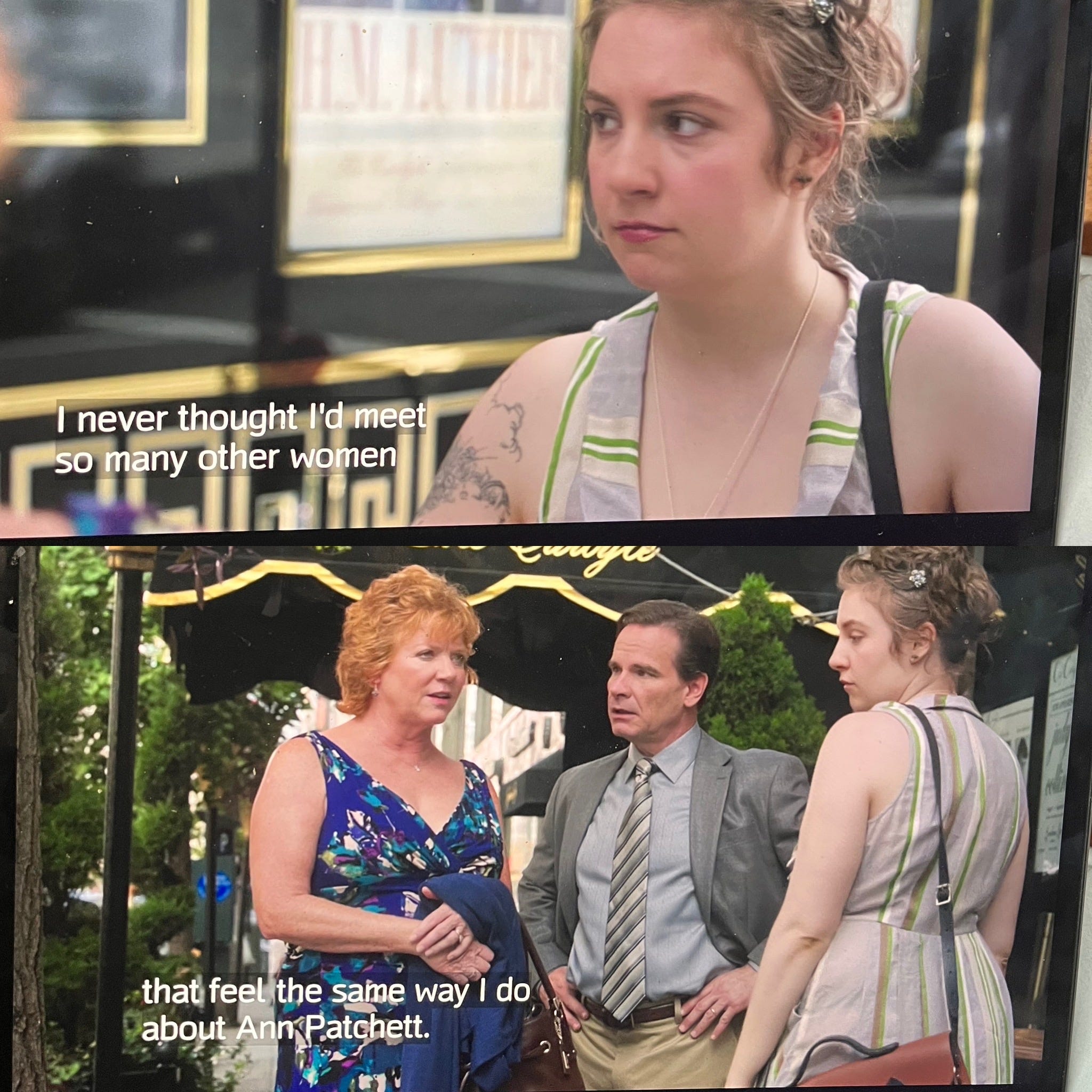
In case you don’t know, I work as a librarian at the public library, so I am often aware of what books are taking off at the moment, sometimes in spheres outside of my usual reading taste. This one came out of the blue late last fall and began hitting all of our top holds lists. The Correspondent is not something I would usually go for, but as I mentioned last month, I am trying to humble myself a bit and allow myself to get swept up in the hype. I also needed something less intense after The Lover and this book seemed to fall within the Ann Patchett Extended Universe (not only does Patchett blurb the book, but a letter is written to her in the novel as well.) And how do I define the Ann Patchett Extended Universe? Well, it is any book that I could recommend to my mother that I wouldn’t mind reading myself. It’s, of course, Ann Patchett, but also Maggie O’Farrell, Lily King, Madeline Miller, Min Jin Lee, and sometimes even Kristen Hannah. And to further prove my theory, I texted my mother telling her I was reading this book and she replied that she was, in fact, reading it too. Lena Dunham understood this back in her Girls days, where she skillfully gave Hannah’s mother this line about how so many other women at her academic conference were obsessed with Ann Patchett.2 Mid-to-high-brow fiction just hits with women of a certain age. It is a tradition I draw from and I embrace it with open arms.
Told in an epistolary form, we get snippets of the protagonists life through emails and letters that she both writes and receives. Through this correspondence we learn more about the main character, a retired lawyer and mother, who is grappling with the end of her life and gradual loss of eye sight. It was a little simplistic and contrived at times, and the protagonist could be pretty insufferable, but nevertheless it still made me weep. It can be nice to read a sweet and simple book. Recommend it to your mom’s book club, you’ll be a hero. And I really must read more Ann Patchett. Bel Canto wasn’t for me, and State of Wonder was just okay. Maybe The Dutch House or Tom Lake will finally do the trick?
Orlanda by Jaqueline Harpman
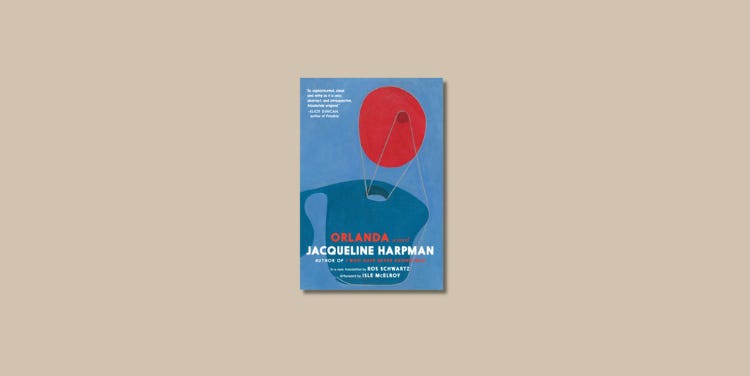
We know how I feel about Virginia Woolf (huge fan) and I really loved reading Orlando back in 2024. So when I saw this reissuing of Orlanda by Seven Stories Press I went straight to the bookstore on pub day and bought the book. Known most recently for her dystopian novel I Who Have Never Known Men, Jaqueline Harpman is having a posthumous renaissance with English speaking audiences. Orlanda is sort of retelling of Woolf’s Orlando, with a lot more psychotherapy and a lot less time travel. Instead of shapeshifting through time and gender, our protagonist in Orlanda has her masculine self rejected from her body and implanted into the body of a man. I was not surprised to learn that Harpman was a psychotherapist, because so much of this book is about hidden selves and repression born into childhood.
Her thesis on gender felt quite reductive and binary. Young girls have masculine attributes crushed out of them by social norms and by the time they reach adulthood, their male self is caged and silent and this then makes them meek and subservient. It felt a little old fashioned as far as gender theories go; as if strength, confidence, and self assurance are inherently masculine traits, rather than gender neutral traits that often appear more in men because our society rewards these attributes to those who appear as male. I’d still recommend this, as it was still an enjoyable and well-written novel, just don’t expect it to have anything too groundbreaking to say on gender.
Whale Fall by Elizabeth O’Connor (audiobook)
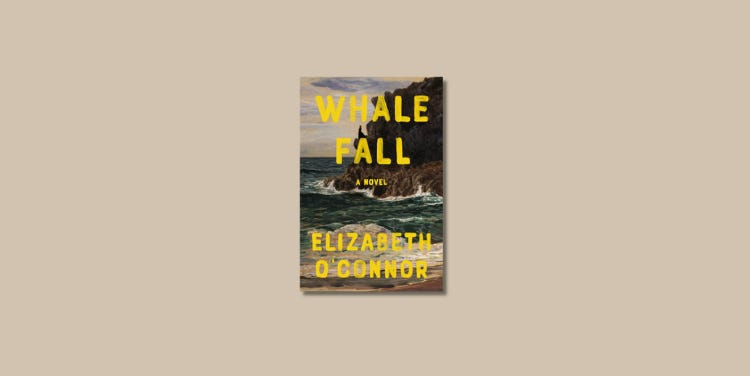
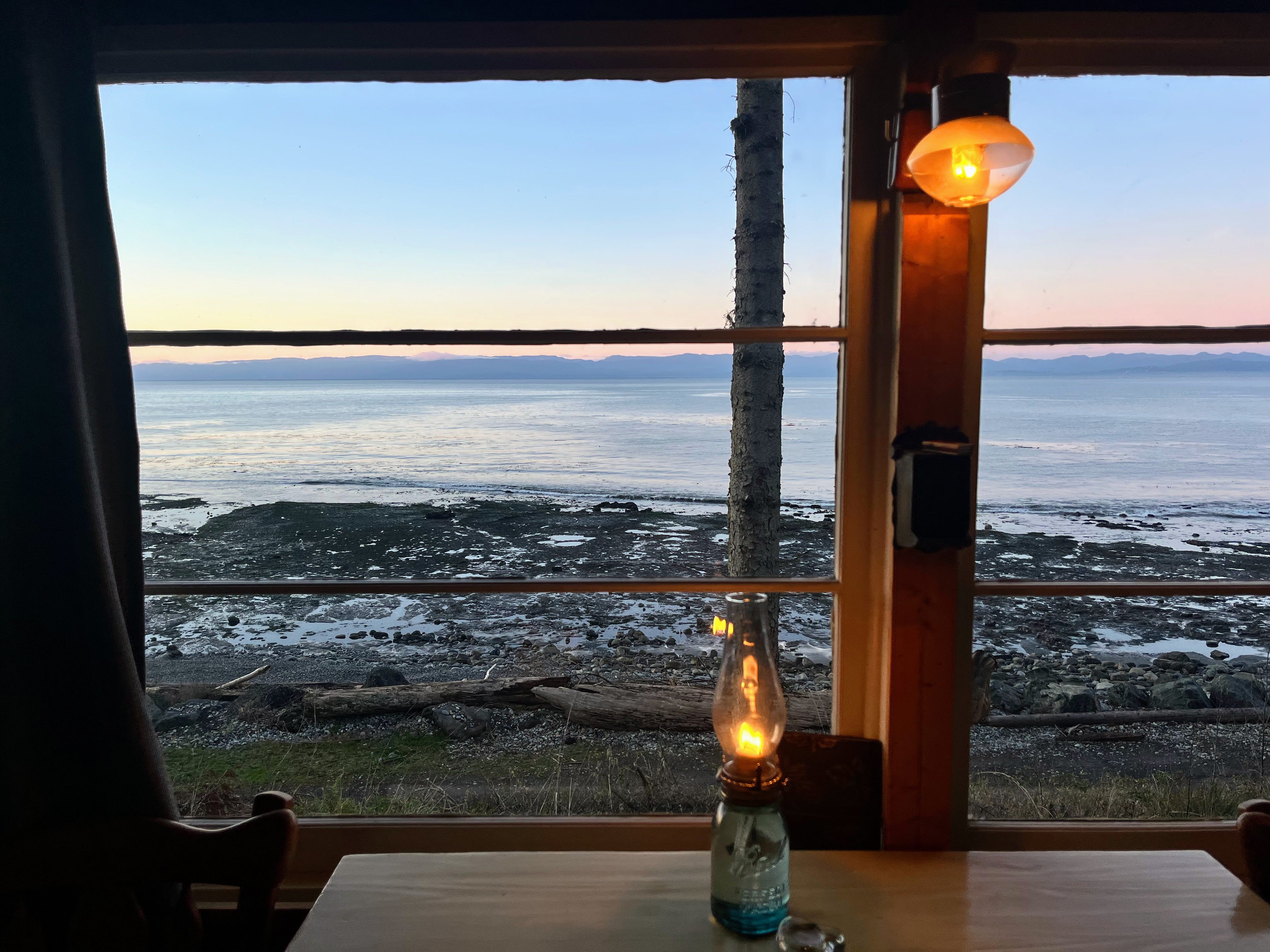
I spent a few days by the sea this month and I wanted to read something that evoked this feeling, so I picked up Whale Fall by Elizabeth O’Connor. Similar to Clear by Carys Davies in both theme and length, this book is about a small, coastal community attempting to weather great social change. Set on a fictional island off the coast of Wales in the 1930s, the book follows a young, local woman as she interacts with two anthropology students who come to take record of the local culture and language. Our protagonist acts as a translator for the two outsiders and becomes entangled in their world. It was a quick listen, just under four hours. The audiobook was nice because it included actual singing of the recorded folk songs. Read if you liked This Other Eden by Paul Harding or The History of Sound (short story and film).
Lady Chatterley’s Lover by D.H. Lawrence
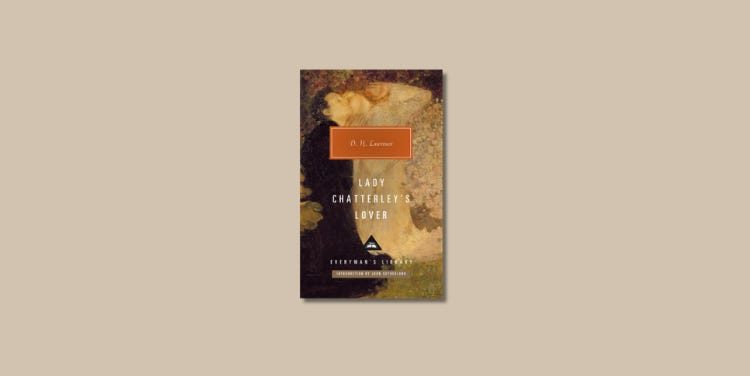
This is the book I was thinking of earlier when I wrote that I didn’t have the energy “to get into it.” This book had been on my TBR for a while, and I had already watched the recent movie adaptation that came out on Netflix back in 2022. I knew what to expect plot wise and was curious to see how “obscene” the text was considering it was banned in the UK upon publication in 1928 until a landmark court case in 1960.3 With no surprise to myself, as I am not a huge romance/smut reader, I found myself enjoying the book’s anti-capitalist sentiments and harsh critiques of the British caste system more than the romance and sex. But if it is gonna be sexy, lets at least make it a social critique of industrialization and class oppression!
The language was a bit too flowery for me at times and I was annoyed by Lawrence’s self-assurance of women’s romantic and sexual desires. The best parts for me were Lawrence’s gothic descriptions of the industrial midlands; an “underworld” full of “grey, gritty hopelessness.” The sentiments fleshed out Lady Chatterley’s Lover felt like realized anxieties of those in the 19th century; the industrial wasteland is complete, there is no turning back.4
“No, but the England of today, as Connie had realised since she had come to live in it. It was producing a new race of mankind, over-conscious in the money and social and political side, on the spontaneous intuitive side dead, but dead. Half-corpses, all of them: but with a terrible insistent consciousness in the other half. There was something uncanny and underground about it all. It was an under-world… and she thought: Ah God, what has man done to man? What have the leaders of men been doing to their fellow men? They have reduced them to less than humanness, and now there can be no fellowship any more! It is just a nightmare. She felt again in a wave of terror the grey, gritty hopelessness of it all.”
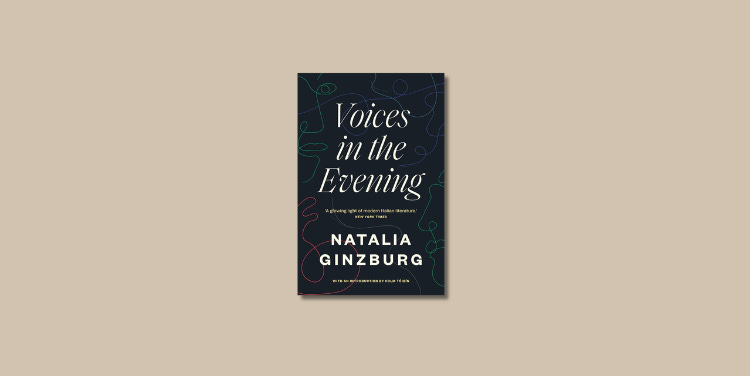
Voices in the Evening by Natalia Ginzburg
To cleanse my pallet after reading such a self-assured man, I turned to my steadfast savior, translated Italian women’s literature. Similar to Lady Chatterley’s Lover, Voices in the Evening is about the aftermath of war, but more specifically about the aftermath of fascism and how it imprints on the communal psyche. This short novel follows the history of a small, Italian town from the preface of WWII to its later reverberations; a history told through the personal worlds of families and relationships. Of all the Ginzburg I have read, I think The Dry Heart is still my favorite, but this one came as a close second.
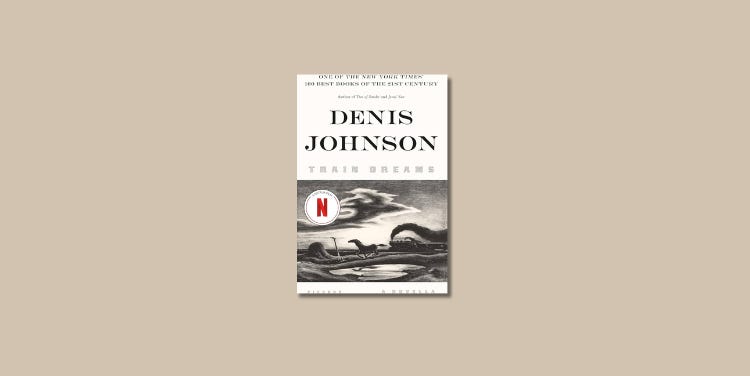
Train Dreams by Denis Johnson
As mentioned in my January post, I am trying to read more Westerns this year. I am not sure if that will amount to one a month, but I think I am going to shoot for that. I squeezed in Train Dreams on the last day of the month and read it in one sitting. A novella of just over 100 pages, it tells to story of Robert Granier, an orphaned day laborer working and living in the Pacific Northwest during the 1920s - 1960s. Being an inhabitant of the PNW myself, I have a lot of fondness for well-written literature that is set here. The Northeastern Washington and Idaho setting reminded me a lot of Marylinne Robinson’s Housekeeping, one of my favorite books. I think the book could have been much longer and more fleshed out. I liked what I read and was left wanting more.
Okay that is all for now! I am currently in a blissful stupor reading Jane Austen’s Emma. I am always shocked at how perfect her books are. More to come at the end of March, I hope Spring comes quick for all of you.
I love love loved this piece!
I’m an Ann Patchett lady. Tom Lake is my favorite. Meryl Streep reads the audiobook!